Current condition
Record the sample, temperature, time and supply condition for each observation. Note how the liquid is replenished and whether air, settling or separation changes its condition before it reaches the filling point.
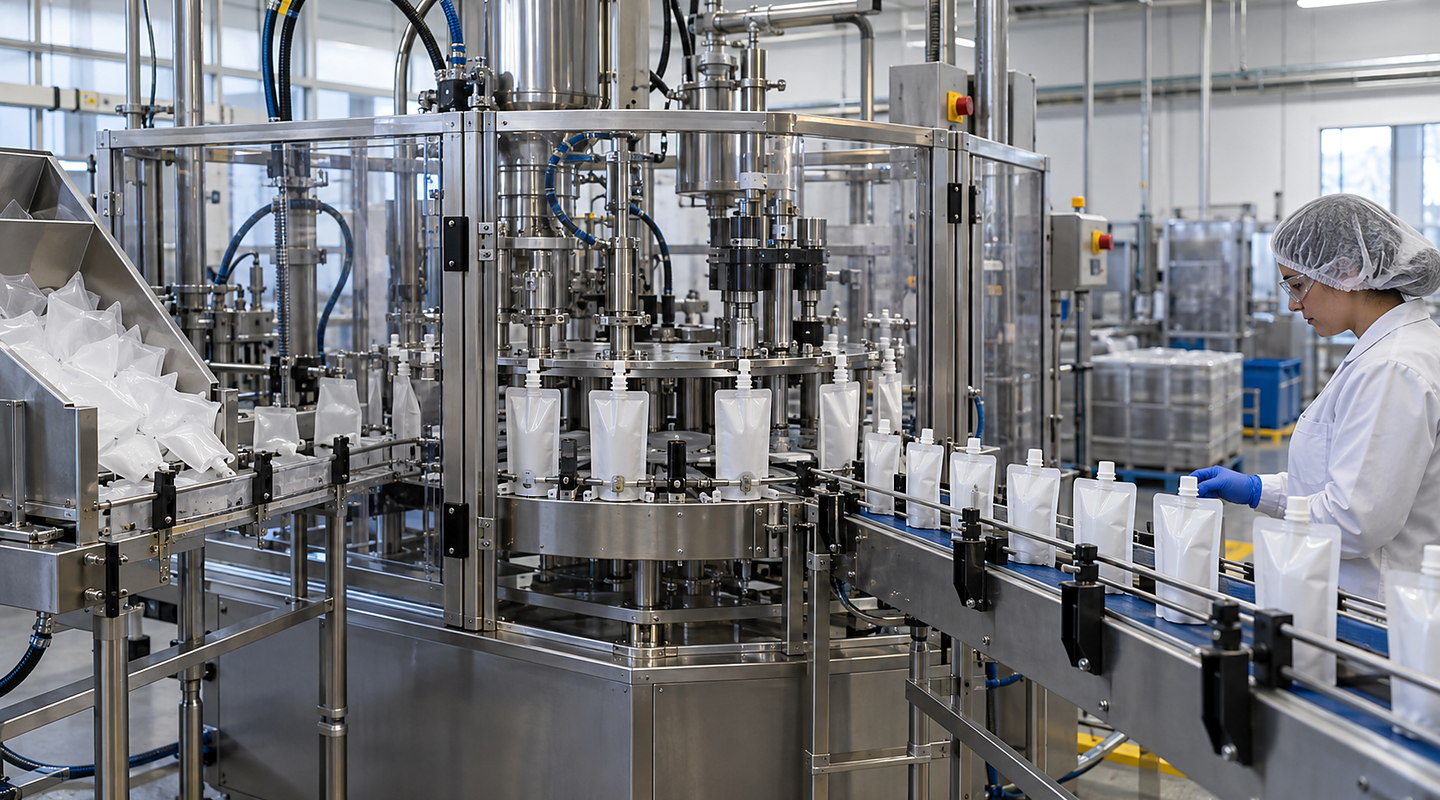
How should liquid sachet filling & sealing product behaviour be investigated before specifying sachet liquid fillers?
Describe the liquid as it reaches the filling point: temperature, flow behaviour, particles, foaming and any settling or separation. A convenient room-temperature sample may not represent the liquid supplied during production.
Link each observation to the dose and film combination being considered. The process guide explains why dose delivery and contamination of the seal area need separate records.
Plan sachet liquid fillers around your product, pack range, target output, cleaning needs and finished-pack checks. Discuss a practical line concept with Lancing using representative samples. Use this guide to resolve liquid sachet filling & sealing product behaviour before it limits the final system.
Discuss your application
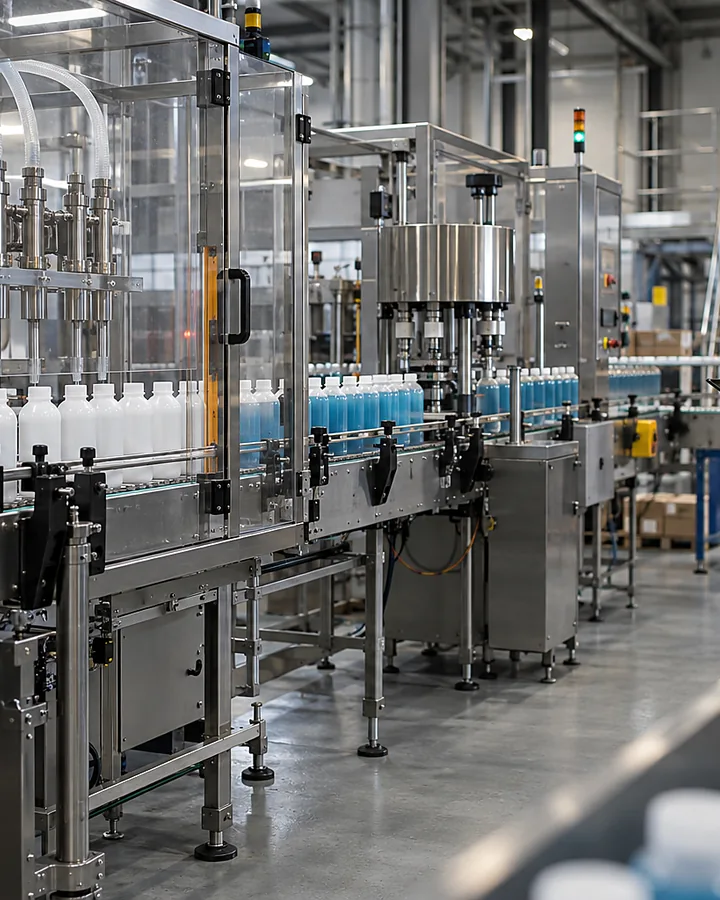
Record the sample, temperature, time and supply condition for each observation. Note how the liquid is replenished and whether air, settling or separation changes its condition before it reaches the filling point.
Include the normal range of liquid conditions, minimum and maximum doses, supply replenishment and a representative pause. Compare conditions before and after a change rather than attributing every quantity variation to the dosing arrangement.
Show which settings, safeguards, maintenance tasks, decisions or required outcomes are affected by changes in liquid sachet filling & sealing product behaviour.
Record temperature, elapsed time and supply condition when the sample reaches the filling point. Note foam, particles, settling or separation if present.
Run the intended film with the liquid and target dose. Look for splashes, strings or drips in the seal and label the affected packs.
Record the target and units, then keep individual readings as the hopper or supply is replenished. A single average can conceal changes during the run.
Mark when the test starts, reaches stable operation, pauses and restarts. Recover sample results against that sequence before attributing a variation to a filler setting.
Describe the change and cleaning sequence and record the condition of the first liquid delivered afterwards. Keep first-off packs distinct from settled production.
Identify the batch, film and operating state for an acceptable pack and an affected pack. Record the observed fault separately from any suspected cause.